Custom pillows and cushions
Choose a fabric for its pattern, texture, memory, or simply the way it changes the room. Pillows and cushions let you introduce a new color or soften a favorite seat without replacing the furniture around it.
 Heritage Home Decor
Pillows, cushions & small coverings
Custom soft furnishings for the chair you keep, the bench that needs warmth, and the room that is almost there.
Contact Re. by phone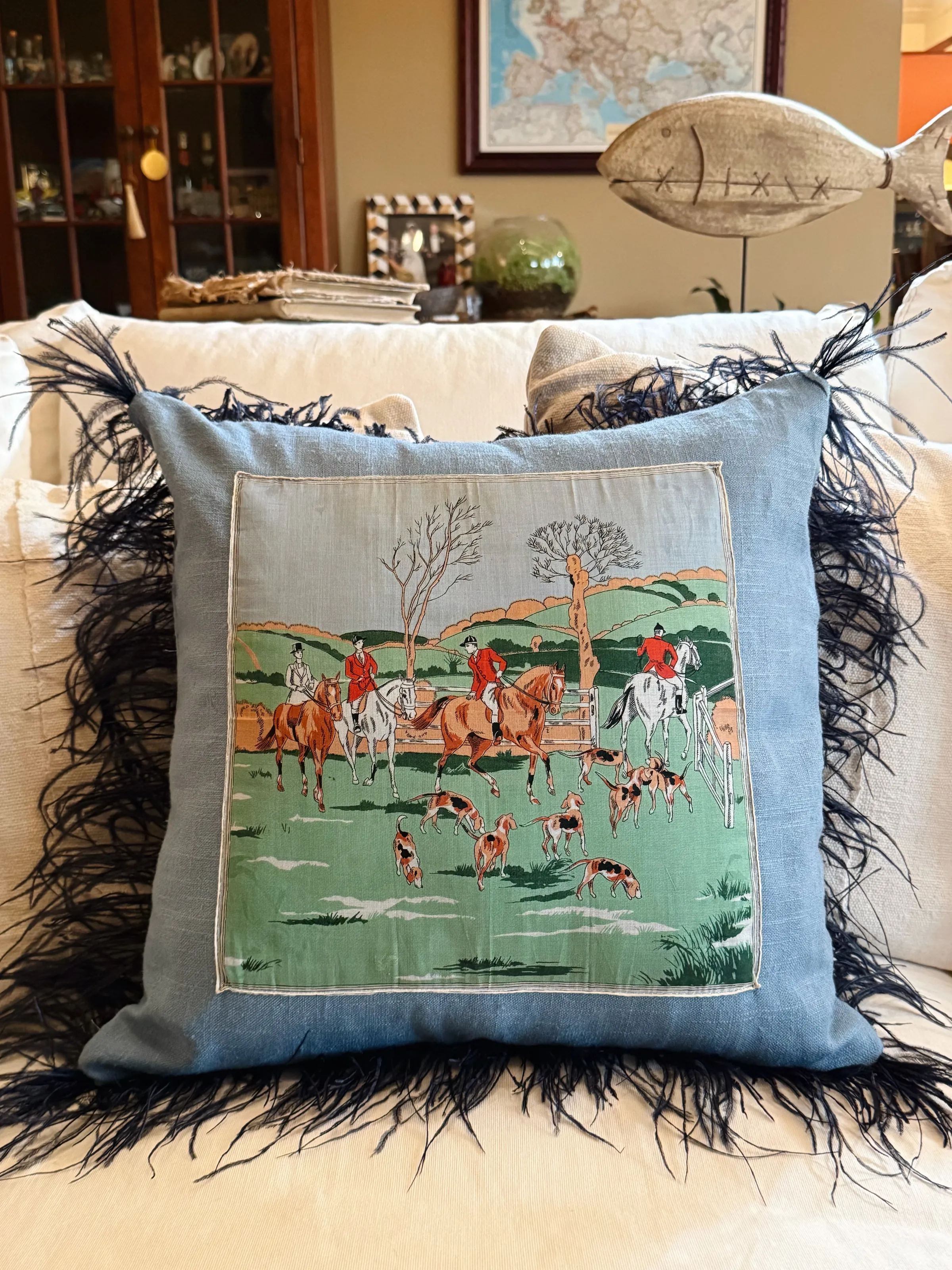
A room with a point of view
Rooms become personal in the layers. A pillow can bring an inherited chair into the present. A new cushion can make a bench worth using again. A small covering can soften the hard lines of a room and pull together colors that once felt unrelated.
Re. approaches those details the same way it approaches vintage lighting: start with what is already worth keeping, then add the material, scale, and finish that lets it belong. The result is not meant to look overly coordinated. It is meant to look like it has been collected over time.
For the pieces you already own
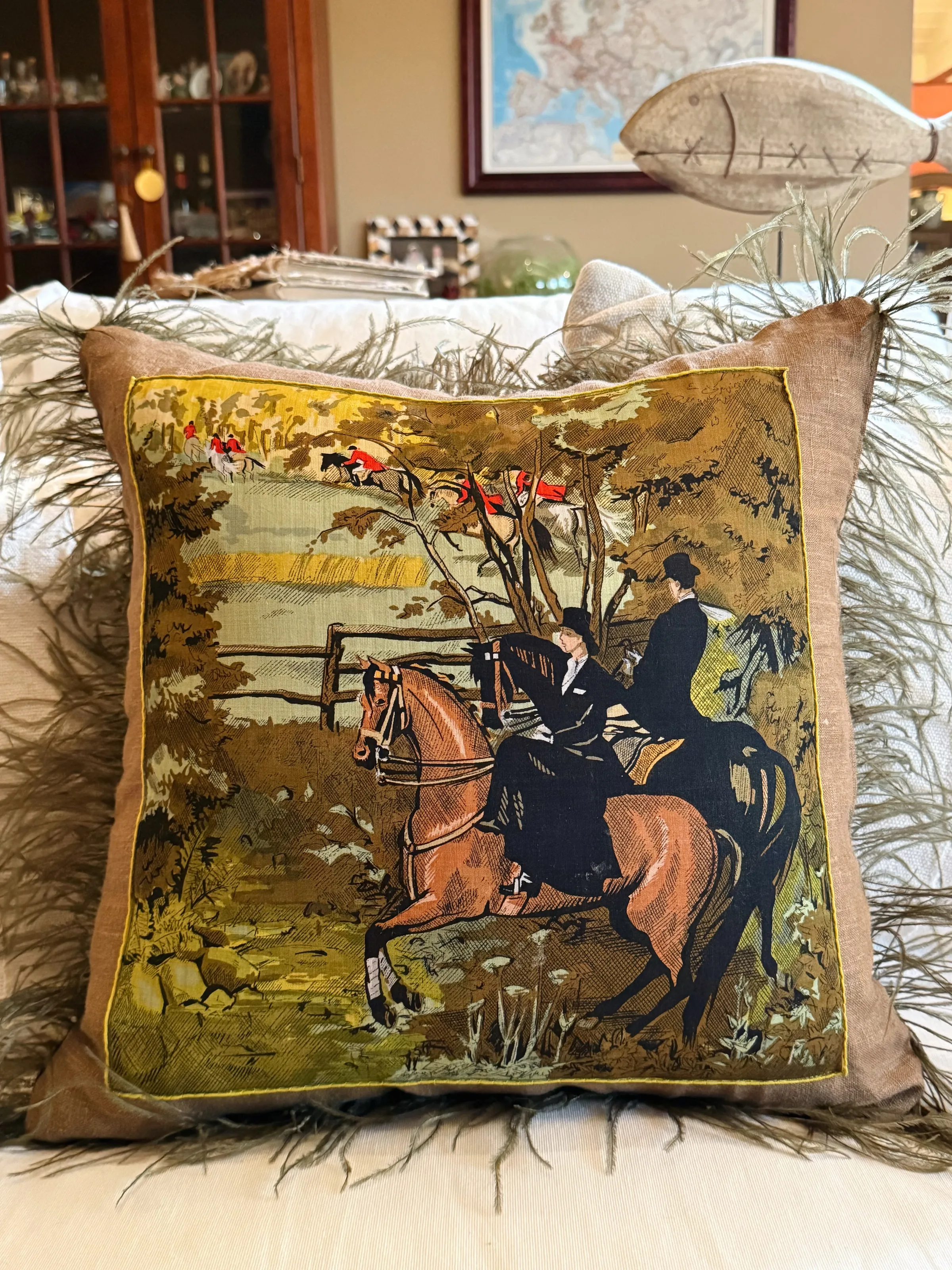
Choose a fabric for its pattern, texture, memory, or simply the way it changes the room. Pillows and cushions let you introduce a new color or soften a favorite seat without replacing the furniture around it.
A footstool, window bench, dining chair cushion, or other compact piece can often take on a completely different character with a thoughtful new layer. Re. focuses on small-scale projects where the finish has room to matter.
The character is in the choices: a lively print against an old wood frame, a quieter linen beside a patterned lamp, or a fabric with a history of its own. Re. helps you consider those relationships before the piece is finished.
Before it is made
A beautiful textile can still feel wrong if it is too busy for the lamp beside it, too delicate for a well-used chair, or too pale for the way the room is used after dark. Bring a photo of the piece in its room whenever you can. Seeing the surrounding colors, wood tones, and lighting makes it much easier to choose something that feels intentional.
What makes a layer work
When a room needs something, it is tempting to begin with the boldest pattern in the stack. Often the more useful question is how the new piece will live there. A reading chair needs a cushion that feels good at the end of the day. A bench in an entry needs a fabric that can hold its own against bags, coats, and daily life. A pillow on a formal sofa can afford to be more expressive because it is there to bring shape and character, not to carry the whole room.
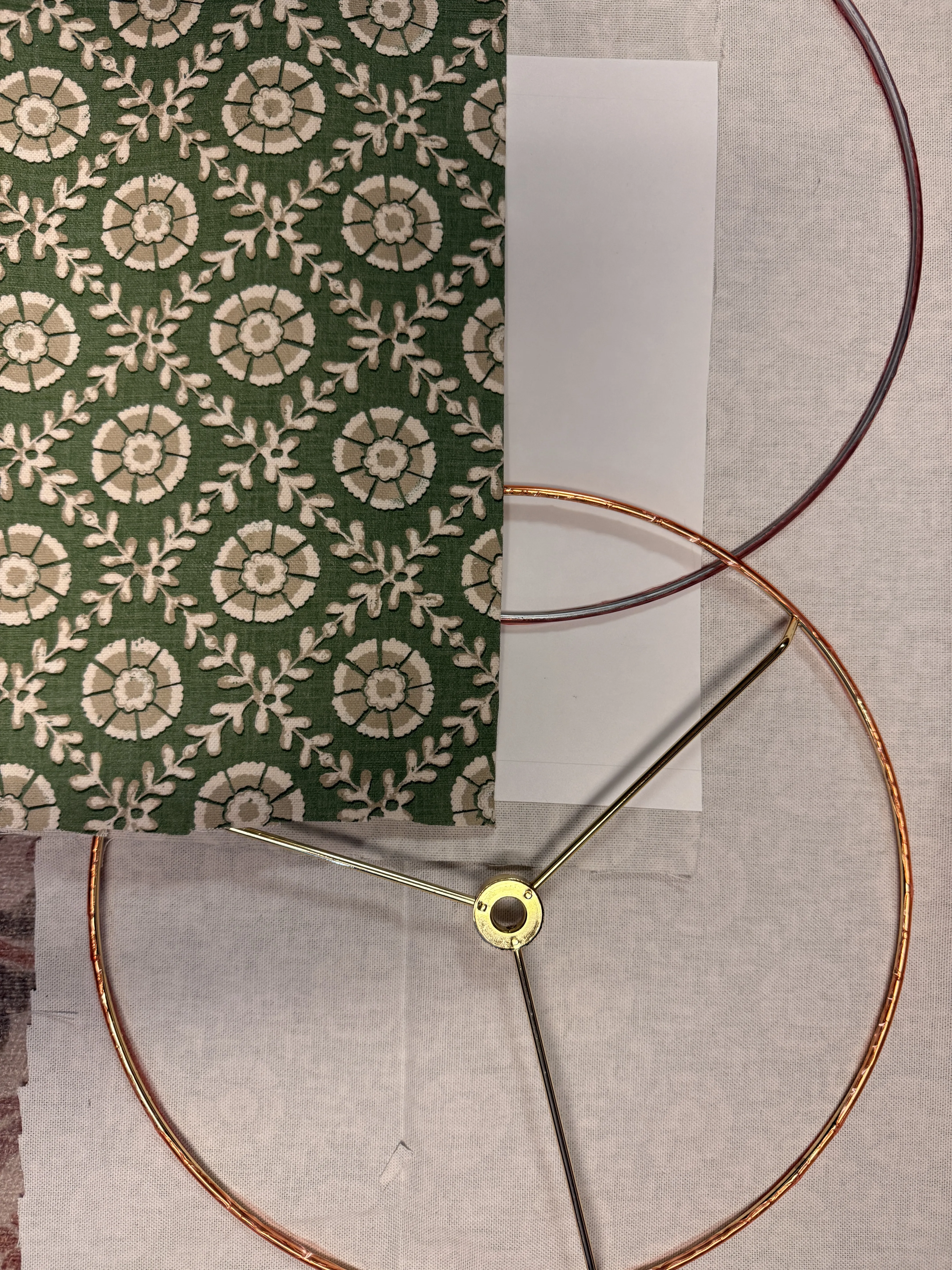
Texture matters just as much. A woven linen, a substantial cotton, a quiet solid, and a lively block print all catch light differently. They can make an old wood frame feel more polished, give a smooth leather chair some softness, or keep a room of antiques from feeling too precious. The goal is not to make every item speak at once. It is to give the eye places to rest, then one or two reasons to linger.
Step back from the piece and consider the lamp, artwork, rug, and wood tones around it. A cushion is a small object, but it can connect those larger elements when it shares one color, repeats one curve, or brings in a needed contrast.
At close range, texture and comfort become more important. A good covering should feel considered from the hand as well as the doorway. That is why a fabric sample, a photo of the room, and a few notes about how the piece is used all help before a decision is made.
The strongest result usually does not erase what made the furniture interesting in the first place. It gives the original shape, wood, or worn-in proportion a new companion. That is the difference between a replacement and a layer.
A simple place to begin
Send or bring a photo of the chair, bench, footstool, or cushion you want to update. Measurements are useful, but the room and the piece are the important first references.
Start with your own fabric, or talk through the colors, patterns, and texture that could work with the rest of the room. The aim is a layer that belongs, not a fabric choice in isolation.
Once the piece is ready, it can bring the room together in the small but satisfying way that a good final layer does.
Re. makes custom pillows, cushions, and small furniture coverings. The right project is one where fabric, proportion, and finish can make an existing piece feel more at home in the room.
Yes. A fabric you have saved, inherited, or simply fallen for can be a wonderful place to start. Re. can also help you consider scale, color, and texture before it becomes a finished piece.
Think cushions for a favorite chair or bench, a footstool that needs a new layer, or a small upholstered piece that is still useful but no longer feels like you. Share a photo and Re. can help you decide whether it is a good fit.
Start with the furniture and how it is used. A generous pillow can give a deep chair a softer, more welcoming shape, while a smaller cushion can add comfort without overwhelming a slender antique seat. A photo and a few measurements make the decision much easier.
They do not need to match exactly. The more interesting connection is often a shared color, texture, or sense of scale. A quiet linen shade can make a patterned pillow feel intentional, while a lively shade may call for a calmer fabric nearby.
A front photo of the piece, a wide photo of the room, and a close photo of any fabric you are considering are all helpful. If you know the seat width, cushion depth, or approximate pillow size, include those too.
Contact Re. with a photo of the piece, its measurements if you have them, and any fabric or room ideas. That gives the conversation a practical starting point.
Let’s look at it together
Contact Re. to start with a photo, a fabric, or an idea that has been waiting for the right place.
Contact Re. by phone