Equestrian home decor is at its best when it feels like a memory, not a costume. The most inviting rooms borrow the easy confidence of a well-used tack room, a country library, or a favorite old club: practical materials, a little patina, and a few objects that look as if they were found along the way.

You do not need a horse farm, paneled den, or collection of antiques to make the look work. Start with one thing that has genuine character, then build outward. A cushion with a riding scene can wake up a neutral chair. A brass object can give a shelf some weight. A handsome train case, sporting plate, or pair of bookends can make an ordinary console feel more considered. The aim is not to make every surface announce the same subject. It is to let a few details give the room a point of view.

Begin with one clear sporting reference

Choose the object that makes you pause. It might be a horse cushion, a vintage dog bookend, a framed hunt scene, an old leather case, or a lampshade with a tailored country pattern. This is your anchor, not a prompt to add ten more references. Once the anchor is in place, look for quiet companions that repeat a color, material, or mood without repeating the subject.

A horse cushion can be enough for a chair in an entry or the corner of a sofa. Let it sit against a solid linen, velvet, denim, or leather background so the scene can be seen. If the fabric is busy, keep the pillow beside it plain. If the room is already full of pattern, use the cushion as the one figurative detail and let the rest of the room stay calm. A sporting piece has more presence when it is given a little room to breathe.

Tartan textile, brass deer, equestrian cushions, and a vintage train case

Build the palette from materials, not a theme

The useful colors in equestrian decor are usually already present in old objects: saddle brown, worn brass, moss, navy, cream, tobacco, oxblood, faded red, and the occasional clear blue. They are practical colors, which is why they work so easily with wood floors, older furniture, painted walls, and layered textiles. You do not need to use all of them. Pick two or three that already live in your room, then let the sporting detail pull them together.

For example, a blue horse cushion might connect to a blue-and-white vase, a navy lampshade trim, and a darker wood table. A green tartan can sit beside brass, cream, and a warm brown leather chair. The combination feels settled because the colors appear in different materials and at different scales. That is more convincing than matching every item to the pillow exactly.

Texture does much of this work too. Linen keeps a room relaxed. Plaid adds a little structure. Patinated brass gives light a warmer edge. Worn wood stops patterned pieces from feeling precious. Use smooth and rough together. A polished silver bowl can look right beside a dull brass vase; a detailed sporting plate can look better on a simple painted wall than against a complicated wallpaper.

Pair of aged brass duck figures on a table

Use animals as punctuation, not wallpaper

Horse and dog objects are most elegant when they arrive as a small surprise. A pair of dog bookends earns its place at the end of a short row of books. A horse-head bookend can ground a writing desk or bookcase. A brass bird or game figure works well on a console with a lamp and a small dish. Put the object where it can be noticed at close range rather than lining every shelf with the same motif.

Grouping helps. Two related pieces can become a deliberate moment, but three or four unrelated animal figurines can quickly feel like a collection that has lost its edit. Give one strong piece a job. Bookends should hold books. A bowl should catch keys. A tray should serve drinks. When an object is useful as well as beautiful, it becomes part of daily life instead of decoration you step around.

Vintage dog bookends on a wood shelf

Let lighting make the reference feel at home

Lighting is one of the easiest ways to make an equestrian detail feel less literal. A warm lamp beside a horse cushion makes the whole arrangement feel like a reading corner, not a display. A tailored shade can introduce pattern without taking over a room. Look for fabric with movement, subtle checks, small-scale florals, or colors that echo the objects below it.

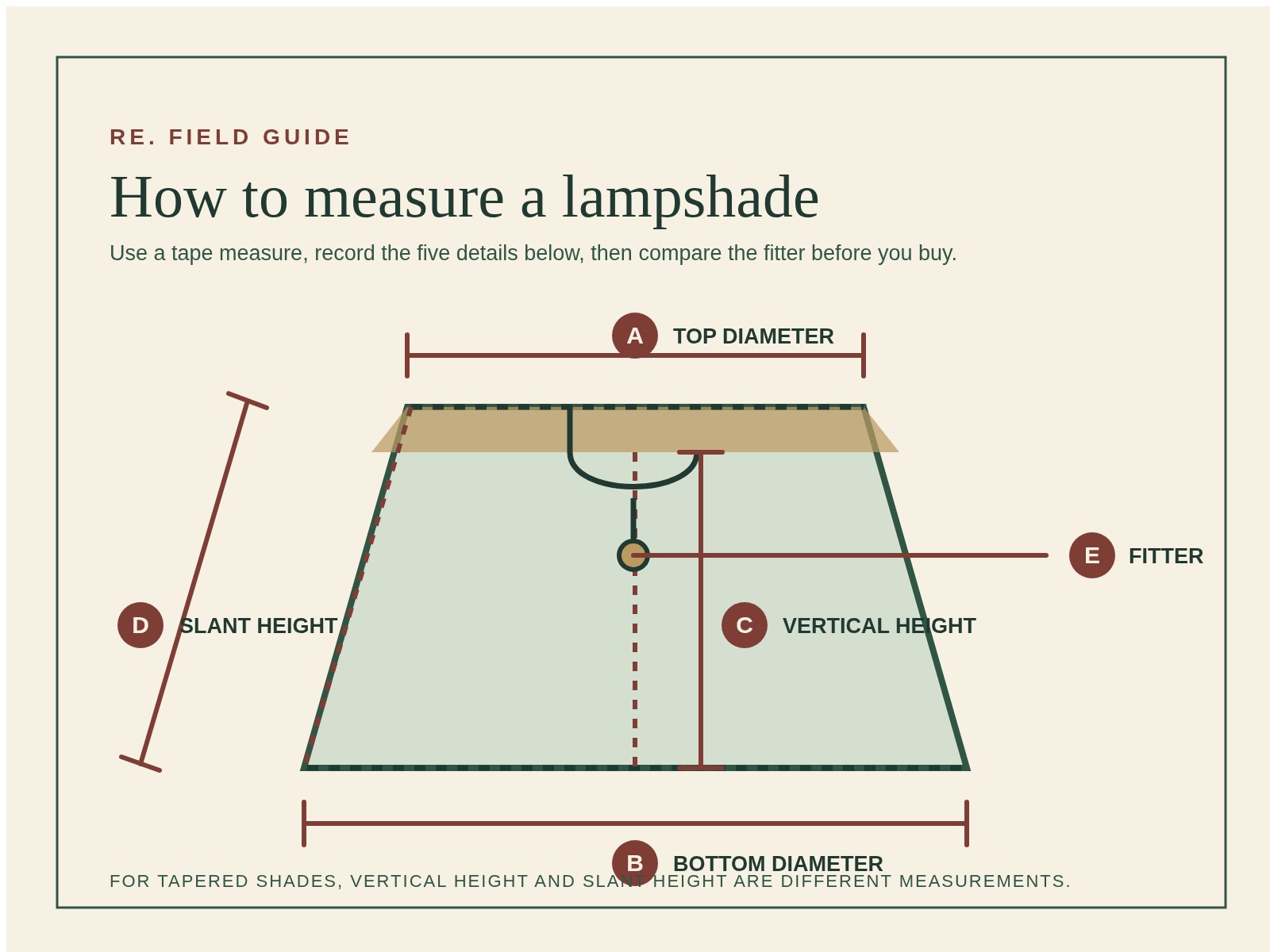
Pay attention to scale. A lamp that is too small beside a generous chair or deep sofa makes the arrangement feel timid. A shade that is too wide can crowd a narrow table. Begin with the lamp and where it will live, then choose the fabric and finish. If you are working with an inherited base or an unusual piece, Re. can help through its custom lampshade service. The lampshade measuring guide is a useful first step before choosing a new proportion.

Tailored patterned lampshade in front of a vintage mirror

Mix the polished and the practical

The difference between a room that feels collected and a room that feels staged is often usefulness. A Hartmann train case can sit on a bench holding scarves or extra throws. Sporting plates can be stacked on an open shelf or used at a table. A brass vase can hold branches from the yard. A good object gets better when it has a reason to stay out.

That mix is also what keeps the look from leaning too formal. Pair a refined porcelain piece with an old wooden stool. Set a small silver bowl beside a stack of paperbacks. Add one embroidered textile to a simple upholstered chair. The room can carry a little ceremony, but it should still look like someone lives there. Leave some surfaces empty. Let books have room to stand upright. Allow the wood, paint, and fabric around the objects to show.

Embroidered sporting tote beside vintage framed art and a train case

Make the final edit from across the room

Once you have assembled a few pieces, step back to the doorway. Ask where your eye goes first. If every object has a strong pattern, color, or silhouette, remove one. If the room feels too careful, bring in something with wear: an old book, a brass bowl, a linen throw, or a wood frame. If it feels too dark, add cream through a shade, pillow back, or ceramic piece rather than introducing a bright new color.

Equestrian decor does not require a literal riding room. It simply gives you a vocabulary for a home that values craft, history, animals, travel, and a little outdoor life. A few well-chosen details can make even a city apartment feel warmer, more personal, and far less generic.

Find the pieces that make the story

Re. keeps an evolving collection of equestrian and sporting decor, including horse cushions, vintage bookends, brass, and lighting with a collected point of view. Browse the available collection for online pieces, or visit Greystone Marketplace 280 in Birmingham to see what is in the current edit.

Frequently asked questions

How can I decorate with horses without making a room feel themed?

Choose one or two pieces with a real point of view, such as a horse cushion, sporting print, or aged brass object. Give them breathing room, then let materials, color, and scale connect them to the rest of the room.

What colors work with equestrian decor?

Tobacco brown, moss, deep blue, cream, old red, brass, and worn wood all work naturally. The strongest palette usually begins with the room you already have, then borrows one or two colors from the sporting piece.

Where should I use equestrian decor?

A den, library, entry, guest room, mudroom, or a reading corner are natural places to start. A single well-chosen detail can also work beautifully in a more formal living room or bedroom.