The most interesting rooms are rarely built in one shopping trip. They come together through use, care, the lucky find, and the refusal to throw away something good just because it is not brand new.
There is a quiet shift happening in the way people look at old things. A worn chair is not automatically a tired chair. A lamp with a dated shade is not a lost cause. A jacket with a loose seam is not disposable. More of us are noticing what earlier generations understood: quality gives an object options.
Waste is a design problem, too
Our furniture and furnishings report puts a hard number beside what can otherwise feel abstract. The Environmental Protection Agency recorded 12.08 million tons of furniture and furnishings entering the municipal waste stream in 2018, with 9.68 million tons going to landfill. Those figures do not describe every beloved piece that was sold, donated, repaired, or passed on. They do show how quickly useful material can be treated as finished.
That is not a reason to feel guilty every time a table gets replaced. Homes change. Needs change. Some pieces are beyond repair. It is a reason to slow the decision down. Before the curb, ask a better question: is this actually done, or is it simply asking for work that modern retail has taught us to skip?
A solid chair can be reglued. A tired seat can be upholstered. A damaged finish can be assessed rather than painted over in a panic. A vintage lamp can be rewired and given a shade that suits the room it lives in now. These are not romantic fantasies. They are ordinary acts of maintenance, carried out by people with practiced hands.
Old things hold more than materials
Furniture is not only wood, fabric, brass, and screws. It holds decisions about proportion, joinery, repair, and use. A chest with drawers that still run well, a dining table with a sturdy base, or a lamp with a pleasing silhouette already has something hard to replace: a reason to keep going.
Buying new can be the right answer when it genuinely solves a problem. But speed has made it easy to mistake newness for improvement. Plenty of pieces are made to look finished for a season, then become frustrating when a leg loosens, a finish chips, or a zipper fails. The alternative is not turning your home into a museum. It is choosing things with enough substance to gather a little life without becoming rubbish.
That changes how a room feels. A repaired edge stops being a flaw and becomes evidence that the piece was worth saving. A softened leather handle, a mismatched but graceful knob, a shade made specifically for an inherited lamp: these details give a room a point of view no delivery truck can reproduce.
The work behind a second life
When we say something has been restored, it is easy to picture a before-and-after photograph and miss the skilled work between the two. Furniture finishers shape, finish, and refinish damaged, worn, or used furniture. Upholsterers repair or replace the material that makes a chair comfortable and useful. The U.S. Bureau of Labor Statistics describes furniture finishers in exactly those practical terms.
These are not background jobs. They are trades that preserve material, skill, and choice. A good repairer sees whether a wobble comes from a loose joint or a failed part. An upholsterer can read a frame, springs, webbing, fabric weight, and the way a seat should feel. An electrician can make an older lamp safe for everyday use. Knowing when to call one is part of owning good things well.
There is also humility in that. Not every repair belongs in a Saturday afternoon with a viral tutorial and a tube of glue. Sometimes the generous thing is to leave a piece in the hands of someone who knows how not to damage it further. Supporting that work keeps knowledge in a community, not just objects in a room.
Clothes belong in the same conversation
The habit of replacement has not stopped at furniture. Clothing has been pulled into the same short cycle: buy quickly, wear briefly, replace when the first repair would be needed. Yet a well-made coat, pair of boots, wool sweater, or linen shirt can become better understood through care. A hem, patch, button, resole, or alteration is not an admission of failure. It is a decision to keep using something that has earned its place.
The EPA notes that discarded clothing is the main source of textiles in the municipal waste stream. In 2018, it estimated 17 million tons of textiles were generated and 11.3 million tons were landfilled. Its textiles data also makes an important distinction: reuse exists, but it is not fully counted in those municipal-waste figures.
That distinction matters. Reuse is not a tidy statistic or a moral performance. It is the longer, messier life of a useful thing. It is passing along a coat that no longer fits. It is having a favorite chair recovered instead of replaced. It is bringing a lamp back into service because the base still deserves to be seen.
Learn to read the difference
Not every old thing is well made, and not every new thing is flimsy. The point is not to assign virtue based on age. It is to get better at noticing what you are looking at. Lift the chair. Does it feel substantial? Look under the table. Are the joints thoughtfully made? Open the drawer. Does it have a clear, repairable reason for sticking, or is the whole box giving up? These small observations make a more confident buyer.
With upholstery, start beneath the surface. Fabric can be changed. Cushions can be refilled. Webbing and springs can be repaired. The frame is the more important question. With lamps, keep beauty and safety together. An unusual base may be worth keeping, but old wiring deserves a proper look before it goes back into daily use. With clothing, inspect the seams, fiber content, fastenings, and areas that take the most wear. A missing button is a small invitation to care, not an automatic ending.
There is pleasure in becoming fluent in these details. You begin to see a piece not as a fixed object but as a collection of possibilities. The top can be refinished. The seat can be recovered. The hardware can be cleaned, matched, or replaced with something that has its own grace. You are not trying to make every object look untouched. You are deciding which parts of its story are worth carrying forward.
Make reuse an ordinary habit
The easiest way to change a household is not a dramatic purge or a vow to buy nothing. It is a few better pauses. Keep a small box of spare buttons, felt pads, furniture wax, and the screws that seem to belong nowhere until they do. Learn the names of a local upholsterer, shoe repairer, tailor, furniture repairer, and electrician. Take photographs of pieces before they are passed on. Ask family members whether a table or a quilt has a story before treating it as clutter.
When you do buy, let the question be practical: will I still want this after it picks up a mark? If the answer is no, it may be a decorative impulse rather than a good companion. If the answer is yes, choose a version that can be tightened, cleaned, mended, altered, or thoughtfully resold. That is not a joyless checklist. It is how a home gets its depth.
And when something no longer suits your space, make the next life easy. Offer clear measurements, honest condition notes, and a fair price. Donate what can truly be used. Save a repairable piece from the curb when you have a realistic path for it. This is how the work of reuse becomes normal again: one chair, one coat, one lamp, one useful decision at a time.
There is value in paying for the repair
Repair can cost money, and it is worth saying that plainly. A skilled upholsterer, refinisher, tailor, or electrician is not competing with the price tag of a mass-produced replacement. They are offering judgment, labor, and the possibility of keeping something with real substance. The comparison is not always fair, and it should not be treated as one.
Sometimes a repair is the sensible financial choice. Sometimes it is the choice because the piece fits your house, holds a family memory, or has a shape you have never found again. Sometimes the right answer is to pass it along. What matters is that we have not forgotten the middle option: paying someone to make a good thing usable again.
In that sense, choosing repair is a small vote for the kind of local economy many people say they want. It keeps practical knowledge visible, paid for, and available nearby. It gives the next generation something more useful than the reflex to replace. And it lets the objects around us carry a little evidence of care.
Buy for the life after the first owner
A good rule for furniture, clothing, and household goods is simple: try to buy things that can have a life after you. That might mean solid construction, natural materials, classic scale, replaceable parts, or a shape that can change with fabric and finish. It might also mean purchasing less often, then caring more deliberately for what you choose.
This does not require perfection. A home full of immaculate antiques can feel as remote as a showroom. The aim is use. Put the vintage bowl by the door. Let the lamp light a real reading chair. Use the linens. Wear the coat. A good object becomes more convincing when it is part of daily life, not when it is protected from it.
It also helps to be realistic. Inspect for stability, odors, pests, water damage, and electrical safety. Ask what is original, what was repaired, and what still needs attention. The best second-hand decisions are made with clear eyes, not nostalgia. Character is wonderful. Structural trouble is still structural trouble.
At Re., restoration is part of the point
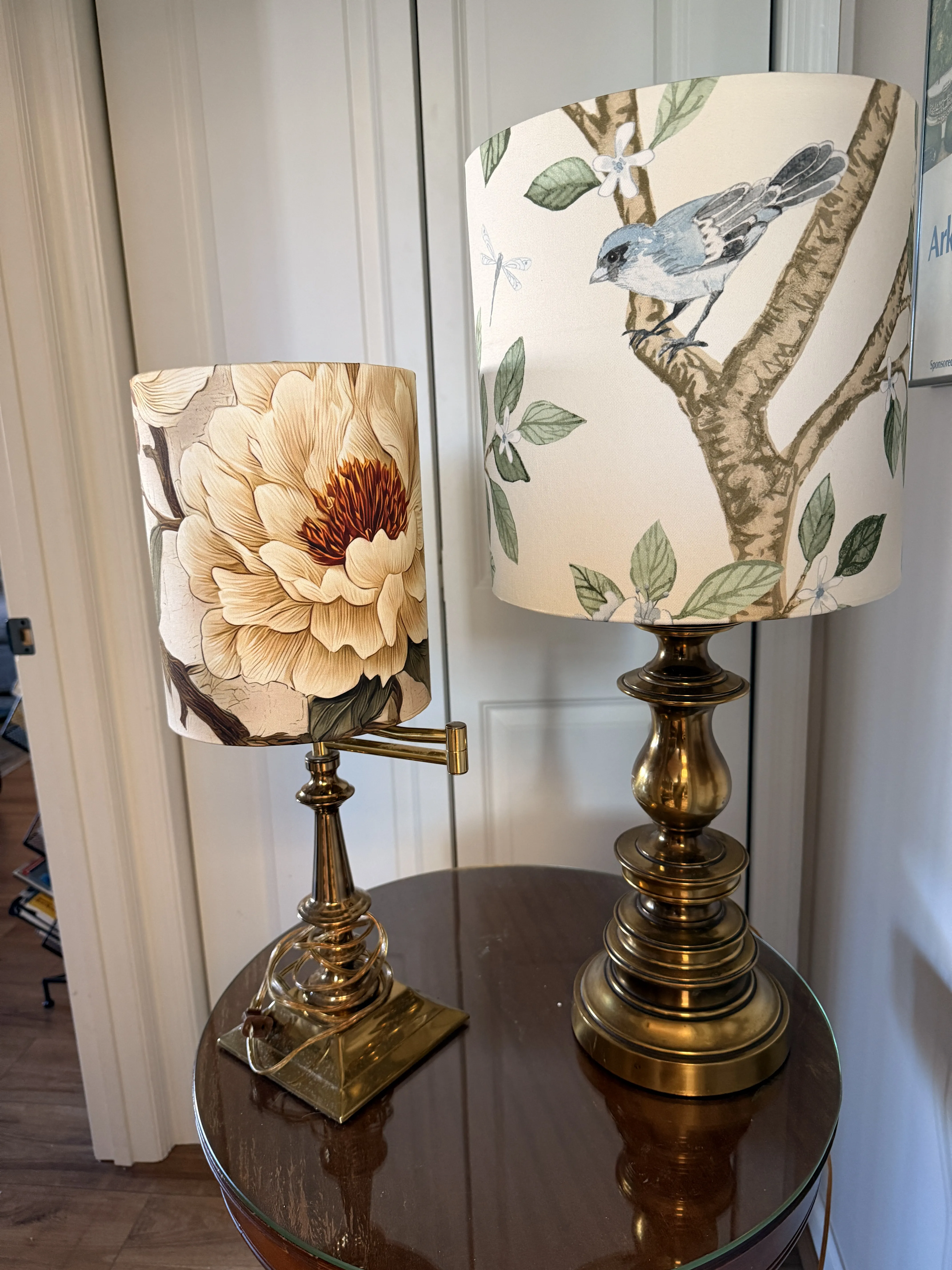
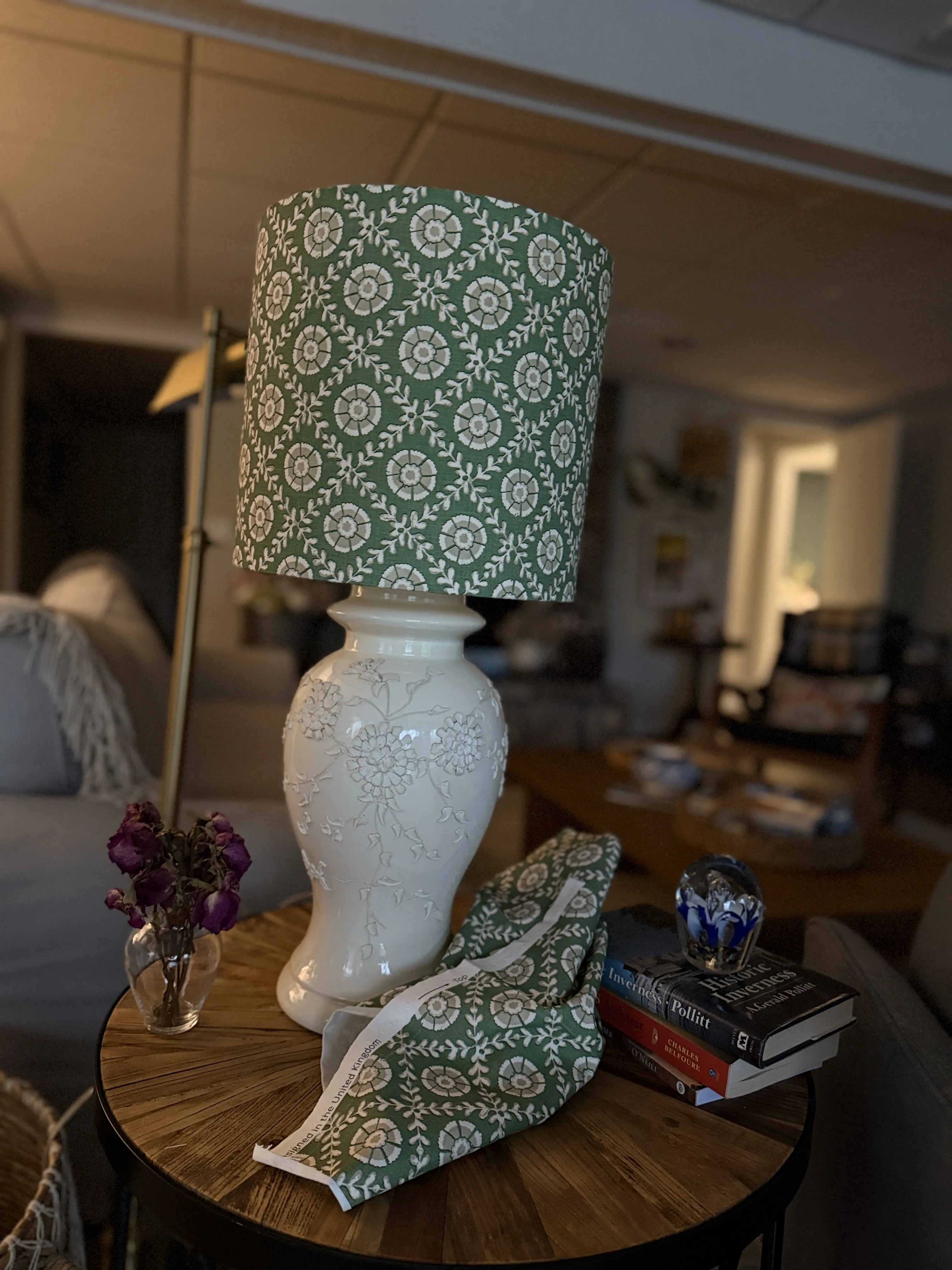
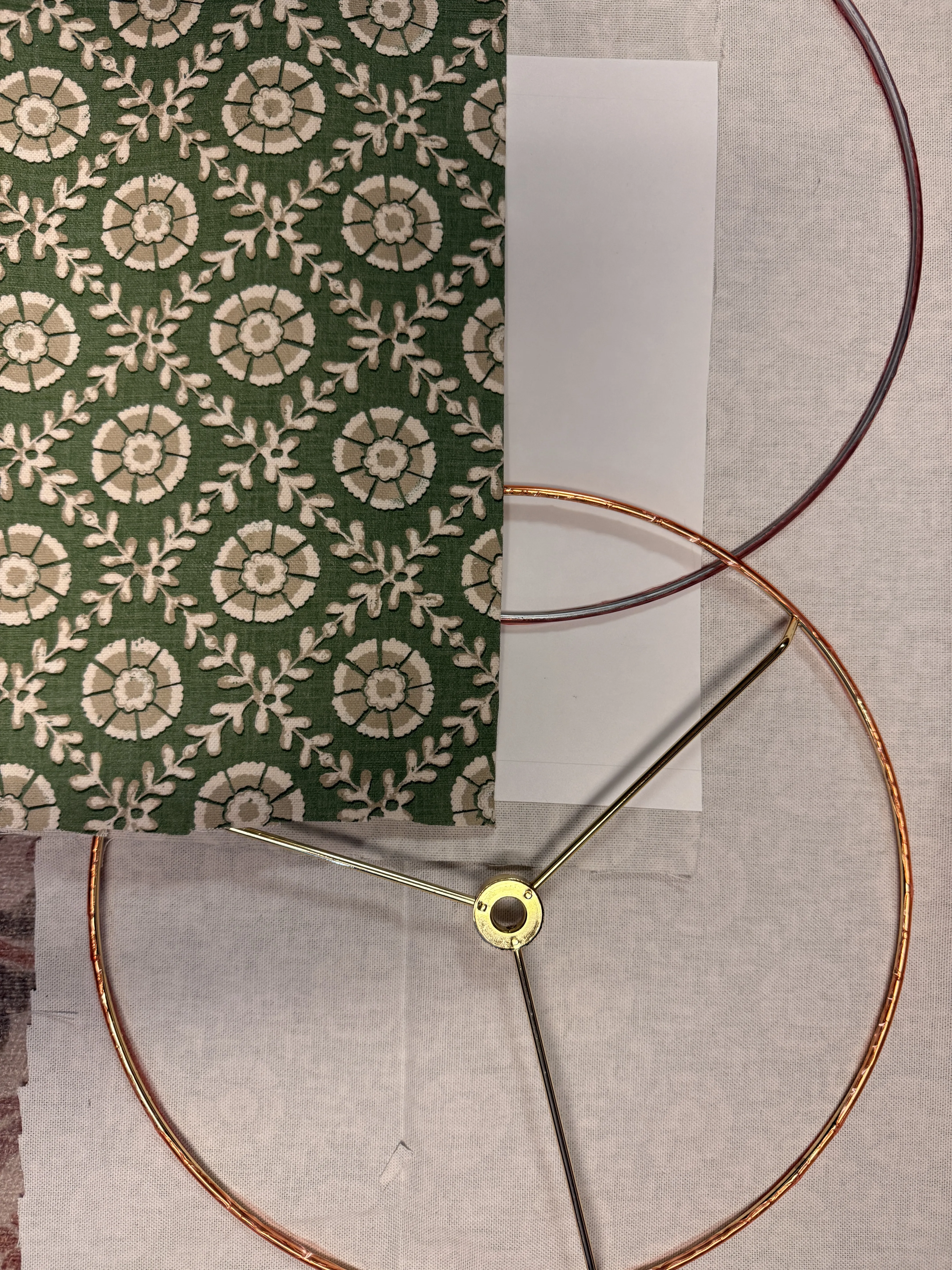
Re. looks for objects with enough quality and character to be useful again. That can mean a vintage lamp that has been restored and rewired, a handmade shade that gives it a new place in a room, or a collected piece that makes everyday life feel less generic. Explore the available collection, see our vintage table lamps, or bring an unusual favorite to the custom lampshade service.
The goal is not to live in the past. It is to recognize that the past made some beautiful, serviceable things, and that keeping them in motion is more interesting than grieving a cart full of disposable substitutes.
Frequently asked questions
Is it worth restoring old furniture?
It is often worth restoring a piece with solid construction, useful proportions, good wood, or personal meaning. A professional can help assess structural repairs, refinishing, upholstery, and electrical work before you commit.
How can I tell whether a piece is well made?
Look for solid wood where it matters, stable joints, drawers that fit their openings, hardware that can be repaired, and an overall shape you still want to live with. Surface wear is usually easier to solve than weak structure.
Does buying vintage always mean buying perfect condition?
No. The useful question is whether the wear is honest, stable, and compatible with the way you live. A few marks, mellow brass, or a repaired edge can be part of a piece's appeal. Active damage, wobble, mold, or unsafe wiring needs attention first.
What should I do with furniture I no longer need?
Before sending it to the curb, consider a family member, local resale, donation, a repair shop, an upholstery professional, or a materials recycler. Give an honest description and clear photos so the next person can decide whether it has a useful future.
Related posts

Lampshades
How to Clean a Lampshade Without Damaging It
A gentle, material-by-material way to clear dust and light marks while protecting a lampshade’s shape, fabric, and character.

Equestrian & sporting decor
How to Decorate with Equestrian Home Decor
An easy guide to bringing in equestrian warmth with horse cushions, brass, sporting art, and collected pieces that feel at home.